From material to pressure vessel
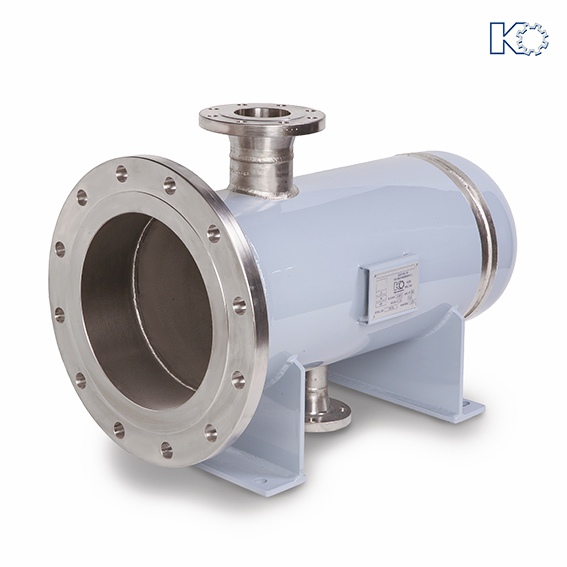
A pressure vessel is a sealed container used to safely store or transport gases or liquids under elevated pressure. Due to the high internal forces, pressure vessels must meet strict technical requirements in terms of material selection, design, welding, and safety. In Europe, these installations are covered by the Pressure Equipment Directive (PED 2014/68/EU), while internationally, the American Society of Mechanical Engineers (ASME) Boiler & Pressure Vessel Code is often applied. These guidelines guarantee that every pressure vessel can be used reliably, sustainably and safely in industrial processes.
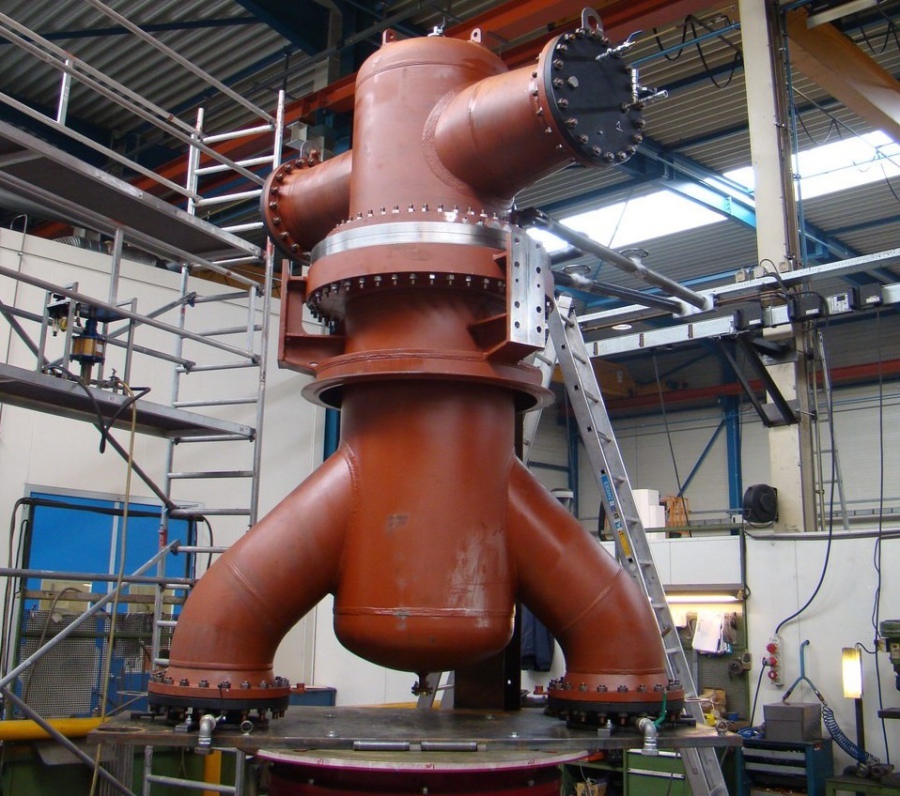
Every year, Kin Machinebouw produces more than 200 pressure vessels for the pharmaceutical industry and also manufactures other pressure-retaining parts such as filters for pumps and piping for liquid transport.
Engineering
Engineering lays the foundation for every pressure vessel. In this phase, our engineers translate customer specifications into a safe and producible design. SolidEdge is used to develop the drawings and perform strength calculations, taking into account pressure, temperature and loads. Based on this, the appropriate certified material is selected and the design is optimized for efficient production.
Work preparation
The work planner translates the design into a structured production process. Materials are purchased in a timely manner and parts are outsourced internally or externally. Route maps and work instructions are drawn up for each pressure vessel, setting out all the production steps. Traceability is key: materials and certificates are carefully recorded to ensure full traceability.
Welding coordination
Welding coordination is essential for the safety of the pressure vessel. Our welding coordinators monitor that all work is carried out in accordance with the WPSs and WPQs they have drawn up and ensure that the welders have up-to-date qualifications.
Rolling
The custom-made plates are rolled to the desired diameter and then prepared for welding.
Turning
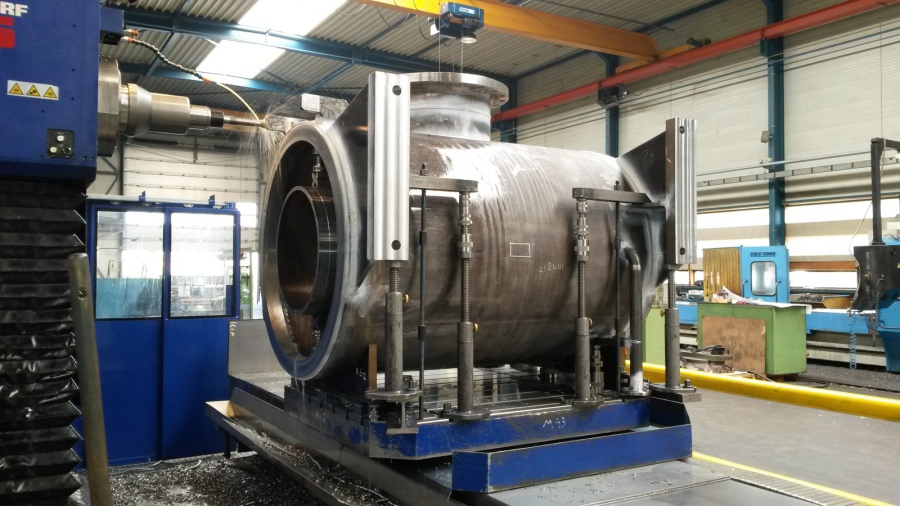
The forged flanges are turned to size entirely according to our own design and the necessary holes are made.
Welding
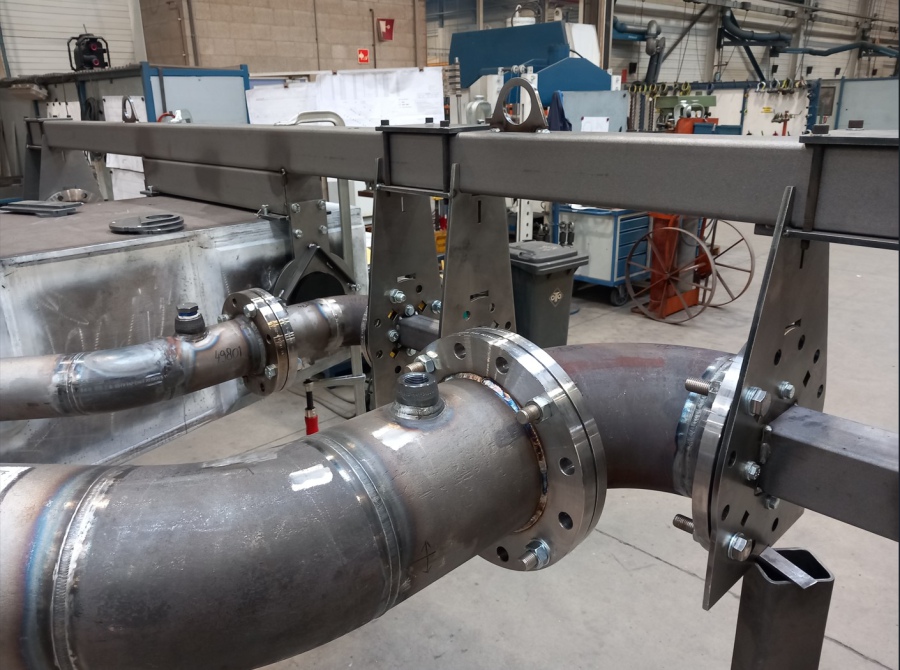
The longitudinal seams are welded and the jackets are aligned in preparation for welding the flanges to the jackets. This is all done in accordance with PED standards and with the necessary welder qualifications, which are maintained annually. In addition, any nozzles or other parts are welded to the vessel, depending on the design, using an automated system or by manual welding.
Grinding and finishing
If necessary, the vessels are ground clean from the inside using our grinding robot, on the carousel bench or manually.
Final inspection
All pressure vessels at Kin Machinebouw are thoroughly inspected. This involves a combination of visual inspections and non-destructive testing. Every weld and every component is checked to ensure that the vessel fully complies with PED standards and customer specifications. Only when all checks have been successfully completed is the pressure vessel approved for delivery.
Quality and traceability
Every pressure vessel is manufactured in accordance with the applicable PED standards (ASME U if required) and is fully traceable. Materials, welding procedures and inspection results are carefully recorded so that every part of the production process can be traced. This not only guarantees the safety and reliability of our products, but also gives our customers complete certainty about the origin and conformity of their pressure vessels.
Result
The result is a pressure vessel that complies with strict international standards, can be used safely in industrial processes and is fully traceable from material to end product.
With our combination of advanced technology, qualified personnel and careful quality control, Kin Machinebouw supplies pressure vessels that are durable, reliable and of the highest quality.